
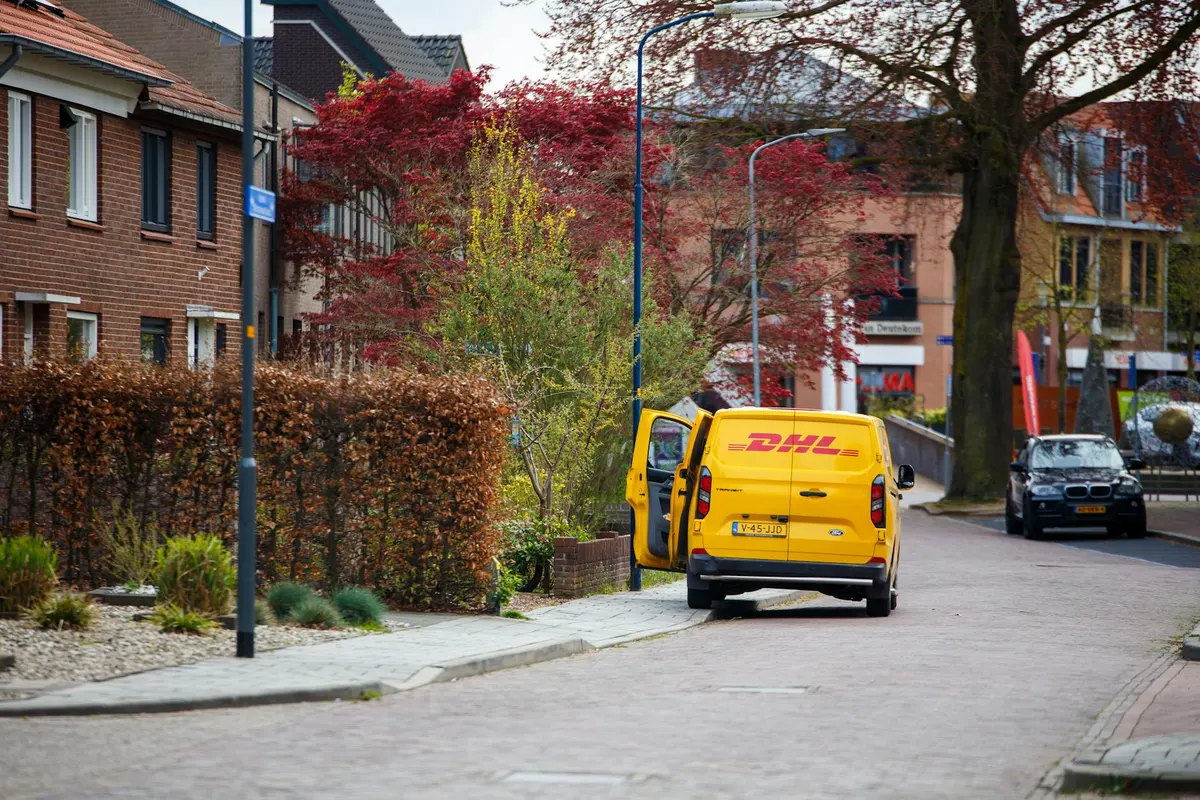
DHL is a trusted name. That trust costs you money.
For Malaysian ecommerce sellers, DHL eCommerce Malaysia sits at the premium end of the domestic courier market — higher rates than J&T Express or Ninja Van, no COD support, but a recognisable brand that carries weight with buyers of higher-priced products. Whether that trade-off makes sense for your business depends entirely on what you sell, where you ship, and how much your customers care about the courier name on the box.
This guide gives you the full picture: domestic rate tables verified against DHL’s official rate card, a head-to-head comparison with J&T Express, Ninja Van, and Pos Laju, and a clear verdict on which seller profiles benefit most from using DHL eCommerce.
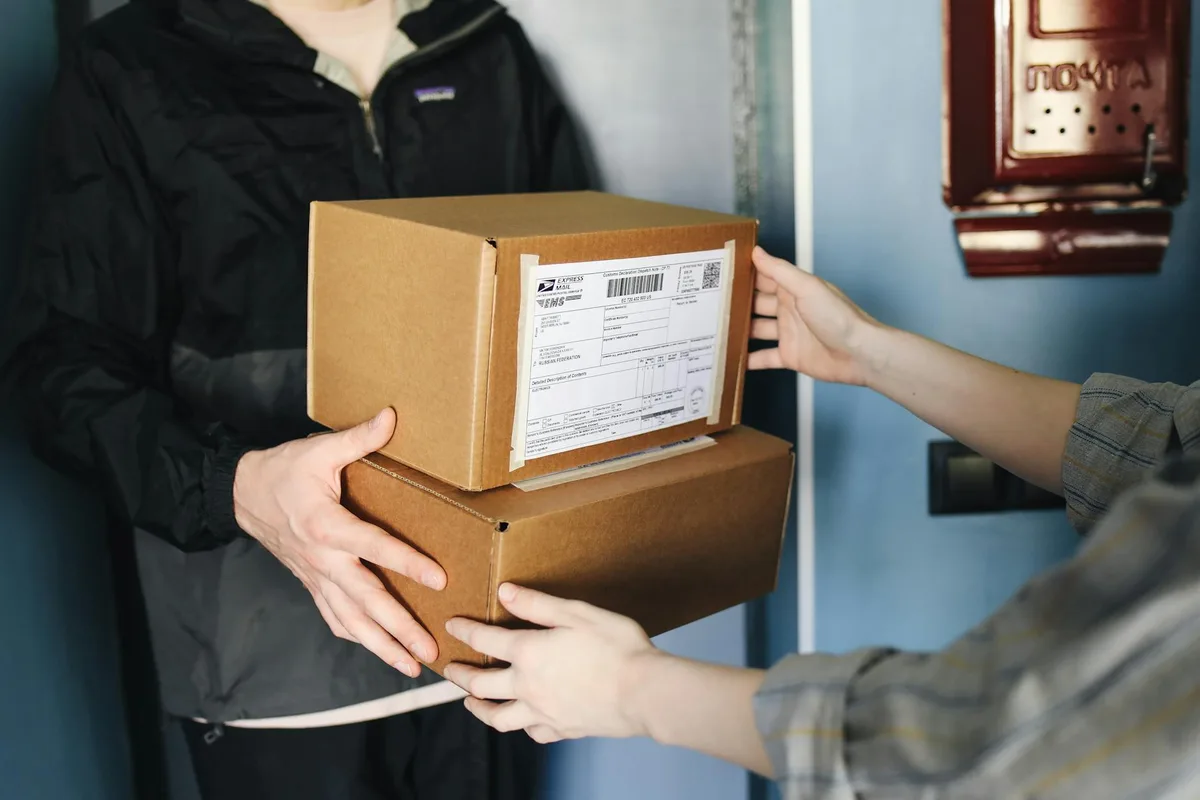
What Is DHL eCommerce Malaysia?
DHL eCommerce is not the same as DHL Express.
DHL eCommerce Malaysia is a domestic and cross-border parcel delivery service operated by DHL eCommerce (Malaysia) Sdn. Bhd. (13515-W), designed for B2C ecommerce shipments. It is distinct from DHL Express (same-day and time-definite international courier) and targets online sellers who need affordable domestic shipping with access to DHL’s international network for cross-border orders. Domestic delivery typically takes 2-5 business days within Peninsular Malaysia.
DHL Express, the red-logo service, is built for urgent, high-value international shipments with time guarantees. DHL eCommerce is the volume-oriented, affordable tier — the one relevant to Shopee and Lazada sellers.
DHL eCommerce Malaysia handles domestic B2C deliveries across Peninsular Malaysia, Sabah, and Sarawak, alongside outbound international shipments to Southeast Asia, the Middle East, and beyond. For a Malaysian seller who ships both domestically and exports to Singapore or Indonesia, that single-courier relationship is the main selling point.
What it does not do: cash-on-delivery. COD accounts for a significant share of Malaysian ecommerce orders, and DHL eCommerce Malaysia does not support COD for domestic shipments. If COD is core to your business, DHL is not your domestic courier.
What Are DHL eCommerce Malaysia’s Domestic Rates?
The rates are higher than most competitors — by a material margin.
DHL eCommerce Malaysia charges RM 7.50 per kg for a standard 1 kg domestic parcel within Peninsular Malaysia. For East Malaysia destinations (Sabah and Sarawak), the rate rises to RM 10.50 for the same weight. These figures are from DHL eCommerce Malaysia’s official rate card as of March 2026 and verified against EasyParcel aggregator pricing.
DHL eCommerce Malaysia domestic rate table (Peninsular Malaysia, March 2026):
| Weight | Peninsular to Peninsular | Peninsular to Sabah/Sarawak | Peninsular to East Malaysia |
|---|---|---|---|
| 500 g | RM 6.20 | RM 8.50 | RM 10.00 |
| 1 kg | RM 7.50 | RM 10.50 | RM 12.50 |
| 2 kg | RM 10.00 | RM 15.00 | RM 18.00 |
| 5 kg | RM 17.00 | RM 27.00 | RM 35.00 |
Source: DHL eCommerce Malaysia official rate card, March 2026. Rates shown are standard walk-in published rates.
These are walk-in rates. Enterprise accounts and high-volume sellers negotiate custom pricing directly with DHL account managers. If you ship several hundred parcels per day — typically in the range of 200 to 500 or more, depending on your shipping profile — DHL’s negotiated rates become more competitive, but you need to reach meaningful volume before the conversation with their account team starts.
How Does DHL eCommerce Malaysia Compare to J&T Express and Ninja Van?
At the same weight and route, you pay more with DHL.
For a standard 1 kg domestic parcel within Peninsular Malaysia, J&T Express charges RM 5.50 and Ninja Van charges RM 5.80 — both RM 1.70 to RM 2.00 cheaper than DHL eCommerce’s RM 7.50. At 50 orders per day, that rate gap translates to RM 2,550–RM 3,000 per month in additional shipping costs. Source: official courier rate cards and EasyParcel aggregator pricing, March 2026.
Rate comparison: DHL eCommerce Malaysia vs major competitors (1 kg, Peninsular, March 2026):
| Courier | 500 g (Peninsular) | 1 kg (Peninsular) | 1 kg (East Malaysia) | COD Support | COD Fee |
|---|---|---|---|---|---|
| J&T Express | RM 4.50 | RM 5.50 | RM 8.50 | Yes | 2.5% |
| Ninja Van | RM 4.80 | RM 5.80 | RM 8.80 | Yes | 3.0% |
| Pos Laju | RM 5.20 | RM 6.30 | RM 9.00 | Yes | 3.0% |
| GDEX | RM 4.90 | RM 5.90 | RM 9.20 | Yes | 3.0% |
| DHL eCommerce | RM 6.20 | RM 7.50 | RM 10.50 | No | — |
Source: Official courier rate cards and EasyParcel aggregator pricing, March 2026.
The cost gap is consistent across weight tiers. It narrows when you factor in DHL’s brand recognition — for sellers shipping electronics, luxury skincare, or premium fashion, customer confidence in the DHL name can reduce failed deliveries and improve first-attempt delivery rates. But for sellers where courier brand plays no role in buyer behaviour — fast-moving consumer goods, home basics, F&B — the premium is harder to justify.
Two factors narrow the gap in practice. First, aggregator platforms like EasyParcel and Delyva negotiate volume-based rates with all five couriers and pass discounts to sellers — typically 10-30% off standard rates, depending on total volume across all couriers in the aggregator’s network. Through an aggregator, DHL eCommerce rates come closer to J&T’s and Ninja Van’s walk-in rates. Second, if your business already uses DHL for international shipments, consolidating under one account simplifies billing and relationship management.
Are your shipping costs eating into your margins? Use our Malaysia courier comparison tool to find the lowest rate for your specific weight and route.
Does DHL eCommerce Malaysia Support COD?
This is the clearest limitation for most Malaysian ecommerce sellers.
DHL eCommerce Malaysia does not support cash-on-delivery (COD) for domestic shipments as of 2026. Sellers who rely on COD — common for fashion, beauty, and home product categories in Malaysia — must use a COD-capable courier (J&T Express, Ninja Van, Pos Laju, or GDEX) for those orders. Running two courier accounts is a viable approach if DHL handles prepaid orders and a COD courier handles the rest.
COD is not a niche requirement in Malaysian ecommerce. Buyers in Tier 2 and Tier 3 cities, first-time online shoppers, and price-sensitive product categories all skew toward COD. If COD represents more than 10% of your orders, routing all orders through DHL eCommerce means turning away a meaningful slice of your potential customers.
The practical workaround used by sellers who want DHL’s brand association but cannot forgo COD: run DHL eCommerce for prepaid orders and J&T Express or Ninja Van for COD orders. This adds operational complexity — two waybill systems, two account relationships, two sets of billing — but it lets you capture both the brand benefit and the COD market.
For a full breakdown of COD terms and fees across Malaysian couriers, see Best Courier Service Malaysia for Ecommerce.
What Is DHL eCommerce Malaysia’s Delivery Coverage and Speed?
Peninsular coverage is strong. East Malaysia has limitations.
DHL eCommerce Malaysia delivers to all major postcodes within Peninsular Malaysia with a 2-4 business day standard transit time. East Malaysia coverage (Sabah and Sarawak) is available but limited to major urban centres — remote and interior postcodes may not be serviceable. Rural and remote Peninsular postcodes that fall outside DHL’s direct coverage are handled through last-mile partner networks, which can extend transit times to 5-7 business days.
For Klang Valley, Penang, Johor Bahru, and other high-density urban routes, DHL eCommerce performs at a comparable speed to J&T Express and Ninja Van. Transit times of 1-2 business days are achievable for same-region shipments within the Klang Valley.
For East Malaysia, Pos Laju has a materially stronger coverage footprint. Pos Malaysia’s postal infrastructure reaches addresses — rural kampungs, interior Sarawak villages, remote Sabah islands — that private couriers cannot or do not serve. If more than 20% of your orders go to East Malaysia, Pos Laju is the baseline comparison, not DHL. See the Pos Laju Rate Guide 2026 for East Malaysia-specific pricing.
DHL eCommerce Malaysia’s international strength is the reverse story. For outbound shipments from Malaysia to Singapore, Indonesia, Thailand, Vietnam, or Gulf markets, DHL’s global network and customs clearance infrastructure is difficult to match on speed and reliability at a comparable price point.
Does DHL eCommerce Malaysia Integrate with Shopee and Lazada?
Integration exists but is limited compared to domestic-first couriers.
DHL eCommerce Malaysia is not a natively integrated courier on Shopee Malaysia’s or Lazada Malaysia’s Seller Centre shipping panels as of early 2026. Sellers can access DHL eCommerce through third-party shipping aggregators — primarily EasyParcel and Delyva — which connect to both marketplace Seller Centres and include DHL eCommerce as one of their carrier options. Direct API integration for high-volume sellers is available through DHL’s own eCommerce portal at ecommerceportal.dhl.com.
J&T Express, Ninja Van, and Pos Laju all appear as direct courier options within Shopee’s and Lazada’s Seller Centre interfaces, with prepaid label generation and automated tracking updates built in. DHL requires an extra step: either registering through an aggregator or managing shipments through DHL’s own portal separately from the marketplace dashboard.
For sellers who prioritise a single-dashboard experience, this adds friction. For sellers already using EasyParcel or Delyva to manage multi-courier operations, the aggregator route means DHL eCommerce slots in without additional platform overhead.
When Should Malaysian Ecommerce Sellers Use DHL eCommerce?
Not for every store. Right for specific use cases.
DHL eCommerce Malaysia makes commercial sense for three seller profiles: (1) sellers of premium-priced products where the DHL brand name increases buyer confidence, (2) sellers with significant cross-border volume to Singapore, Indonesia, or the Gulf who want domestic and international shipments under one courier relationship, and (3) high-volume sellers (typically several hundred parcels per day or more) who can negotiate custom rates that close the gap with J&T Express and Ninja Van.
DHL eCommerce Malaysia: use case verdict
| Seller Profile | Verdict | Reason |
|---|---|---|
| Selling fashion, FMCG, home goods under RM 100 | Not recommended | Rate premium with no brand-trust benefit |
| Selling electronics, luxury skincare, premium fashion | Good fit | Brand trust justifies rate premium |
| Relies heavily on COD | Not compatible | DHL does not support domestic COD |
| Primarily East Malaysia orders | Not recommended | Weaker coverage vs Pos Laju; higher rates |
| Exporting to Singapore, Indonesia, Thailand | Strong fit | Domestic + international under one account |
| Using Shopee/Lazada with aggregator already | Viable | Aggregator bridges the integration gap |
| High volume (several hundred parcels/day), negotiating custom rates | Evaluate | Custom rates may close the price gap |
For most Malaysian ecommerce sellers — especially those on Shopee and Lazada shipping lightweight domestic orders with COD — J&T Express or Ninja Van will outperform DHL eCommerce on cost. The right question is not “is DHL good?” but “what does my buyer care about when they see the courier name on their delivery notification?”
If the answer is “nothing, they just want the package to arrive,” the rate premium has no return. If the answer is “they’re buying a RM 400 skincare set and they feel more comfortable with DHL on the label,” the rate premium pays for itself in failed delivery reduction and customer satisfaction.

Frequently Asked Questions
What is DHL eCommerce Malaysia’s rate for a 1 kg domestic parcel?
DHL eCommerce Malaysia charges RM 7.50 for a 1 kg parcel shipped within Peninsular Malaysia (standard published rate, March 2026). For shipments from Peninsular Malaysia to Sabah and Sarawak, the same weight costs RM 10.50. Rates are higher than J&T Express (RM 5.50) and Ninja Van (RM 5.80) for the same Peninsular route.
Does DHL eCommerce Malaysia offer COD?
DHL eCommerce Malaysia does not support cash-on-delivery for domestic shipments. Sellers who need COD must use J&T Express (2.5% COD fee), Ninja Van (3.0%), Pos Laju (3.0%), or GDEX (3.0%). Running a dual-courier setup — DHL for prepaid orders, a COD courier for the remainder — is a common approach for sellers who want DHL’s brand visibility.
Is DHL eCommerce Malaysia available on Shopee and Lazada?
DHL eCommerce Malaysia is not directly integrated into Shopee Malaysia’s or Lazada Malaysia’s Seller Centre interfaces as of early 2026. Sellers access DHL eCommerce through shipping aggregators (EasyParcel, Delyva) which connect to both marketplace dashboards, or through DHL’s own ecommerce portal for direct API integration.
How long does DHL eCommerce Malaysia delivery take?
Standard domestic transit time within Peninsular Malaysia is 2-4 business days. Major urban routes (Klang Valley to Penang, Johor) often see 1-2 business day delivery. East Malaysia deliveries (Sabah, Sarawak) take 3-7 business days depending on the destination postcode. Remote postcodes serviced through last-mile partners may take longer.
How does DHL eCommerce differ from DHL Express in Malaysia?
DHL Express (red logo) is a premium, time-guaranteed international and domestic courier service designed for urgent shipments. DHL eCommerce (yellow logo) is the volume-oriented, affordable tier built for B2C ecommerce — lower rates, standard transit times, and a focus on domestic parcel delivery alongside cross-border ecommerce shipments. Most Malaysian ecommerce sellers on Shopee and Lazada use DHL eCommerce, not DHL Express.