
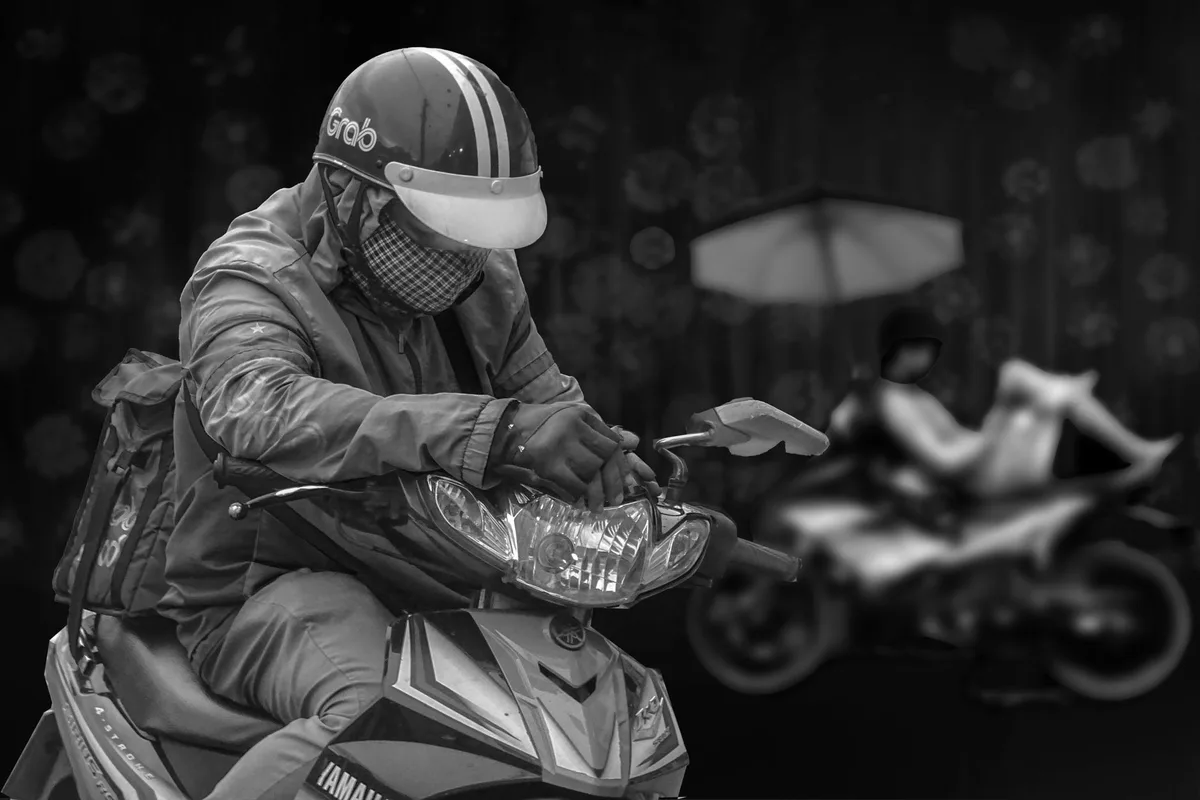
A customer in Ipoh orders a phone case. No card, no bank transfer. Just cash when the rider arrives.
That’s cash on delivery (COD), and it still settles a meaningful share of Malaysian ecommerce orders. Here’s exactly how the money, the courier, and the risk move from checkout to your bank account.
What Is Cash on Delivery (COD) in Malaysian Ecommerce?
Cash on delivery (COD) is a payment option where the buyer pays in cash when the courier hands over the parcel, instead of paying online at checkout. The order still moves through the same courier network as a prepaid order. The only difference is the rider collects payment on the doorstep and the courier remits that cash to the seller afterward, minus a COD handling fee.
COD exists because not every buyer trusts a new seller, a new platform, or online payment itself. It’s also the default fallback for buyers without a credit card or an active e-wallet, which is still common outside Peninsular Malaysia’s major cities.
Both Shopee Malaysia and Lazada Malaysia offer COD as a checkout option. The buyer chooses it, not the seller, and the courier handles the collection end to end.
How Does the COD Process Work From Order to Payout?
A COD order follows five steps:
- Buyer selects COD at checkout. On Shopee, Lazada, or a standalone store, the buyer picks cash on delivery instead of card or online banking.
- Order routes to the courier as normal. Pos Laju, J&T Express, or Ninja Van picks up the parcel the same way they would a prepaid order.
- Courier tags the parcel with the amount to collect. The COD value, usually the order total, prints on the shipping label or the courier’s handheld device.
- Rider collects cash on delivery. The buyer pays the exact amount before the parcel changes hands.

- Courier remits the cash to the seller. This isn’t instant. The courier batches collected COD cash and transfers it to the seller’s registered bank account on a set cycle, minus their COD fee.
That remittance lag is the part sellers underestimate. Cash flow on COD orders always trails a prepaid order by several days.
What Do Malaysian Couriers Charge for COD, and How Fast Do They Pay Out?
COD fees and remittance timing vary by courier and by account tier. As a planning baseline:
| Courier | COD Available | Typical COD Fee | Typical Remittance Time |
|---|---|---|---|
| Pos Laju | Yes | ~2-3% of order value | 3-7 business days |
| J&T Express | Yes | ~2-3% of order value | 3-7 business days |
| Ninja Van | Yes | ~2-3% of order value | 3-7 business days |
| DHL eCommerce | Limited | Not a standard service | Not applicable |
Source: Pos Malaysia, J&T Express Malaysia, and Ninja Van Malaysia service documentation. Confirm your exact rate and remittance schedule directly with each courier before committing volume, since account-tier discounts and fee structures change.
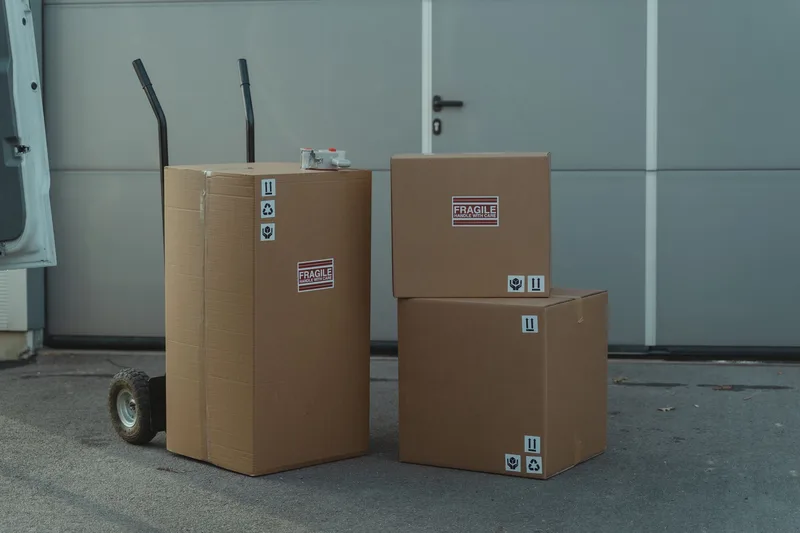
That fee stacks on top of your normal shipping rate. A seller comparing shipping cost across couriers should always add the COD fee separately, not fold it into the base rate. Our shipping cost calculator breaks out COD as its own line item for exactly this reason.
Want the full courier fee picture before you switch COD on? Grab the free Ecommerce Shipping Cost Cheat Sheet — rate tables plus COD availability across Malaysia’s main couriers, sent straight to your inbox.
Why Do COD Orders Have Higher Return Rates in Malaysia?
A prepaid order has already cleared before the parcel ships. A COD order hasn’t. That gap is where most of the risk lives.
Sellers and courier account managers consistently report COD return and failed-delivery rates well above prepaid orders, though the exact gap varies widely by product category, price point, and courier. Common causes:
- Impulse checkout. COD removes the friction of paying upfront, so buyers commit to orders they later reconsider.
- Unreachable buyers. The rider arrives and the customer doesn’t answer, isn’t home, or has moved.
- Refused parcels. The buyer changes their mind at the door, sometimes after seeing the item or comparing a cheaper option elsewhere.
- No financial commitment to lose. With prepaid, a cancelled order means a refund process. With COD, it just means the parcel goes back.
Every failed or refused COD delivery costs you the outbound shipping, the return shipping, and the courier’s attempted-delivery fee where one applies. None of that revenue ever lands.
How Can Sellers Reduce COD Failed Deliveries and Fraud?
Five practices consistently cut COD losses for Malaysian sellers:
- Confirm the order by SMS or WhatsApp before dispatch. A quick confirmation message filters out buyers who placed the order by mistake or changed their mind.
- Cap COD order value. Many sellers set a maximum COD amount (for example RM 150-200) and require prepayment above that, limiting the cash exposure per failed delivery.
- Track repeat refusers. Shopee and Lazada seller centers both surface buyer order history. Flag or restrict COD for buyers with a pattern of refused deliveries.
- Use couriers with pre-delivery SMS confirmation. Ninja Van and J&T both notify the buyer before the rider arrives, which reduces “nobody home” attempts.
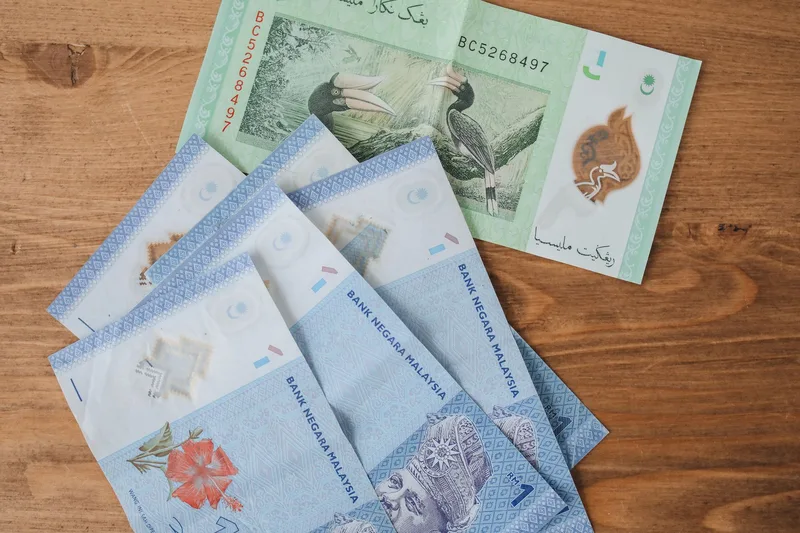
- Weigh COD against your margin, not just your conversion rate. COD often lifts checkout completion, but the fee plus the higher return rate can erase that gain on thin-margin products. Run the numbers per SKU before deciding.
Should You Offer COD on Shopee and Lazada Malaysia?
For most sellers, the answer is yes, with limits. COD reaches buyers who wouldn’t complete an online-payment checkout at all, particularly in East Malaysia and among first-time buyers unfamiliar with your store.
The trade-off is the return rate and the remittance lag described above. Sellers who offer COD without limits usually see it on lower-value, higher-trust items (accessories, apparel, small household goods) and restrict or disable it on higher-value or easily-resold items where refusal risk is costliest.
Both marketplaces let COD availability be reviewed at the seller-center analytics level, so track your own COD return rate before deciding whether to widen or narrow it further.
Frequently Asked Questions
Does cash on delivery cost the seller anything in Malaysia?
Yes. Couriers charge a COD handling fee, typically around 2-3% of the order value, on top of the standard shipping rate. This fee is deducted before the courier remits the collected cash to the seller’s bank account.
How long does it take to receive COD cash after delivery?
Most Malaysian couriers remit collected COD cash within 3-7 business days of successful delivery, though the exact cycle depends on the courier and your account tier. Confirm the schedule directly with your courier before relying on it for cash flow.
Can a seller turn off cash on delivery on Shopee or Lazada Malaysia?
Sellers have limited control since COD is largely a buyer-selected checkout option on both marketplaces. Some listing-level and seller-center settings affect COD eligibility, so check your current seller-center configuration rather than assuming it applies uniformly to every SKU.
What happens if a customer refuses a COD parcel in Malaysia?
The courier returns the parcel to the seller, and the seller absorbs both the outbound and return shipping cost since no payment was collected. This is the main reason COD return rates run higher than prepaid orders in seller community reports.